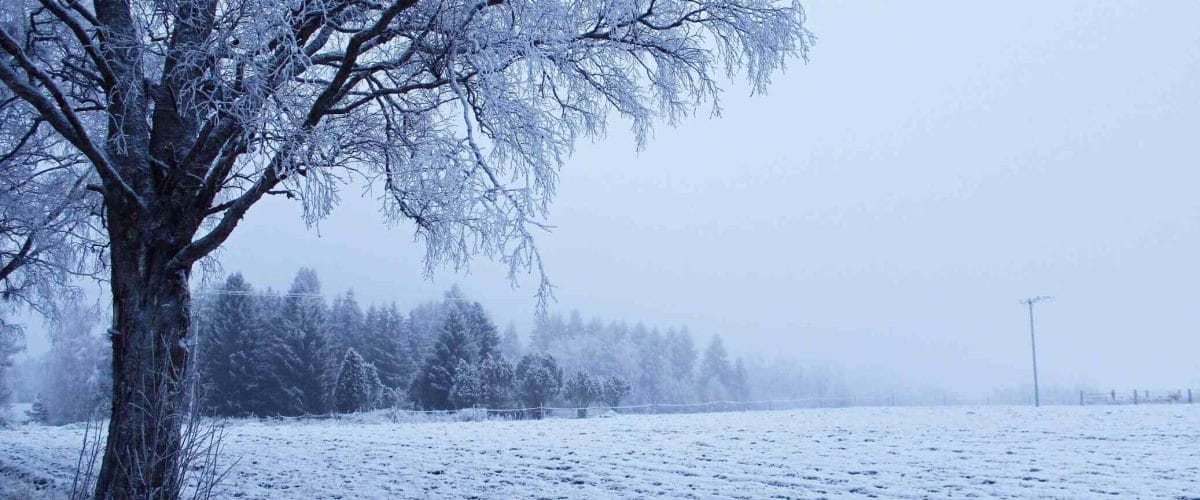
For the majority of Finns, February has always gone hand-in-hand with heavy snow, icy air, and frozen-over lakes. But these days? It’s almost as if we skipped right ahead to April. If you’ve been wondering why winter seems to be enjoying a longer-than-normal holiday, you’re not alone. Global warming, unseasonal weather trends, and other changing environmental factors are making Finland’s winters much less like the ones we know.
Increasing Temperatures: The Primary Perpetrator
Let’s get to the point—Finland is heating up. The Finnish Meteorological Institute (FMI) says that the country’s average temperature has increased more than 2°C since the late 19th century, more than twice as fast as the global average. That’s no minor glitch; it’s a big shift that’s turning our snowy Februarys a whole lot slushier.
Weather Gone Wild
Sure, Finland still gets cold spells, but they don’t last as long or hit as hard. The Arctic is warming, and that’s messing with the jet stream, the atmospheric current that usually keeps our winters steady. Instead, we’re getting unpredictable swings—one week of freezing, the next week of rain. It’s like winter is having an identity crisis.
More Rain, Less Snow
Discussing rain—yes, we have a whole lot more of that. Rather than those wonderful, plump sheets of snow that would persist for months, we have ice, slush, and random puddles that saturate your shoes. Not wonderful.
Cities Are Even Warmer
Live in Helsinki, Tampere, or Turku? Then you’ve probably noticed that it’s even less snowy in urban areas. That’s because of the urban heat island effect—buildings, roads, and general human activity create extra warmth, making it harder for snow to stick around. So while the countryside might still see some real winter vibes, cities often just get wet and gray.
What’s Next for Finnish Winters?
If the trend is sustained, southern Finland’s winter days may end up being rainier than snowy. Ski resorts are already suffering, and artificial snow guns are in greater demand than second-best alternatives. Skiing enthusiasts would need to travel further north if they desire consistent snow in future decades.
The Cultural and Economic Impact
For a culture that breathes and lives winter sports—skis, ice skating, ice fishing—the trend of heat is big-time serious business. Winter resort industries depend on regular snowfalls, and warmer winters could have them adapt or die. And truthfully, losing true Finnish winters would just not feel right.
Can We Do Anything About It?
We can’t prevent the weather, but we can postpone climate change by cutting carbon emissions, using renewable power, and promoting policies that prioritize sustainability. Finland is already way ahead in so many ways, but global cooperation is needed if we want to keep our cold and snowy winters.
Last Reflection
As you’ve noticed, February feels less like a snowy wonderland and more like a spring teaser—don’t think you’re alone in feeling this way. Changing temperatures, shifting weather patterns, and rising precipitation levels have all combined to transform Finnish winters before our eyes. Whether we will ever return to the days of sweet, deep snow is anyone’s guess, but one thing is certain: winter, as we once knew it, has evolved.